
 Joachim Zuther, Lymphedema Specialist.
Dear Friends in the Lymphedema Community,
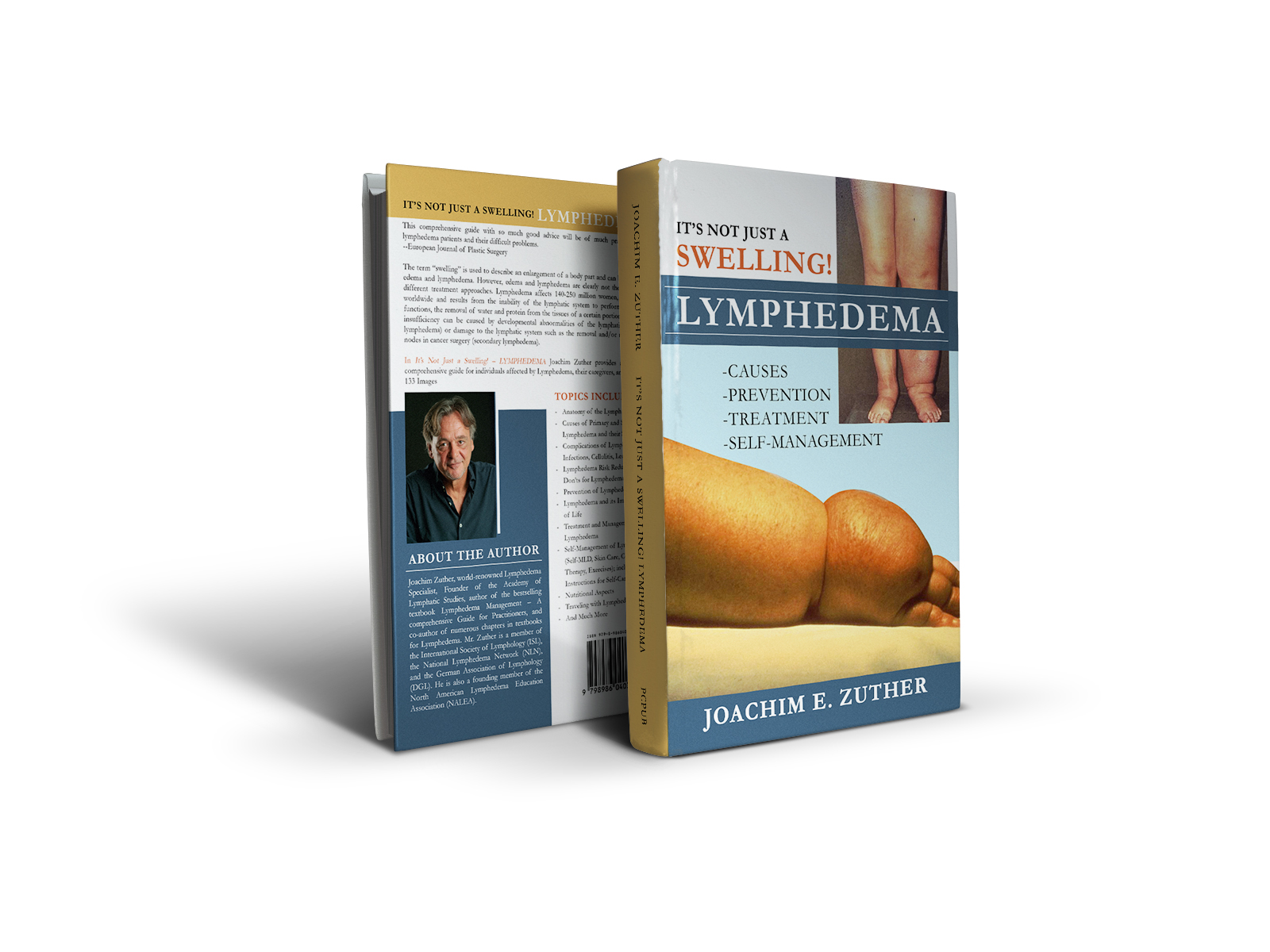
I am thrilled to share that It’s Not Just a Swelling! Lymphedema has now been available for four years! Hearing from so many of you about how helpful the book has been in your day-to-day self-management means the world to me. Thank you for your continued support and for sharing this resource with others in the community.
It is available on Amazon and Lulu.
 This patient-oriented book serves as a comprehensive guide to increasing awareness and understanding of this often-neglected condition. It also offers practical support to patients, their caregivers, family members, and therapists as they navigate key aspects of lymphedema care and management. In addition, consider sharing this book with any physician unfamiliar with lymphedema and its treatment—and there are many!
The book is now also available as a hardcover; this is in addition to the E-book (Kindle) and paperback version.
Contents of the book include:
Information about the Lymphatic System
Information on Lymphedema, Lipedema, and Chronic Venous Insufficiency (CVI)
In this chapter, lymphedema and the reasons why it develops are explained in detail. It includes descriptions and explanations of primary, secondary, and pediatric lymphedema, as well as the stages of the condition and its complications—such as infections, leakage (lymphorrhea), and axillary web syndrome—along with guidance on what to do if they develop. Additionally, the chapter explores the considerable impact lymphedema has on patients’ quality of life and well-being around the globe. Finally, it covers the various techniques used to diagnose lymphedema (including lymphoscintigraphy, MRI, ultrasound, bioimpedance, and CT scans), lipedema, and chronic venous insufficiency (CVI).
Treatment
Finally, this important chapter covers everything you need to know about the proper and effective management of Lymphedema and related conditions. Included are detailed descriptions of treatment techniques used by certified lymphedema therapists (how many treatments are necessary and recommended), as well as important techniques of self-management.
Techniques of self-MLD and self-bandaging, decongestive exercises, and skin care for upper and lower extremity Lymphedema are explained in detail using text and images. Other techniques, including the use of compression pumps, and various forms of exercises (resistive, aerobic, aquatic, breathing, and Yoga) geared towards the management of Lymphedema are explained and described.
Other contents in this chapter include a description of the various surgical procedures used for the treatment of Lymphedema, including liposuction, and reconstructive techniques.
The use of certain pharmaceuticals (diuretics, antimicrobials, antibiotics) for Lymphedema, as well as Lymphedema risk-reduction practices and nutritional aspects (proteins, fluids, salt, vitamins, and supplements), is described and explained.
Finally, helpful guidelines for traveling with Lymphedema and how to effectively measure and care for compression garments are also included.
If you like the book, please also leave a review on the site you used to purchase it – thank you!




Leave a Reply