
 Joachim Zuther, Lymphedema Specialist.
Certain activities may trigger the onset of lymphedema or may exacerbate the symptoms of existing lymphedema. Individuals affected by primary or secondary lymphedema and those at risk for developing it (everyone who has undergone lymph node excision and/or radiation treatments) should observe the following precautions. The “Dos” and “Don’ts” below are based on decades of experience and knowledge of clinical experts in the field of lymphedema management.
- Keep your skin meticulously clean and check frequently for any cracks, infections or rashes
- Moisturize your skin daily, especially after taking a shower or bath
- Use appropriate ointments or lotions
- Dry your skin thoroughly with a soft towel following a shower or bath; do not scrub
- If you undergo radiation therapy, apply the ointments recommended by your physician to any radiation redness on your skin and avoid direct exposure to sunlight
- Avoid cosmetics that irritate the skin
Clothing – Jewelry – Compression Sleeve – Prosthesis
- Avoid clothing that is too tight, for example bras and sleeves that
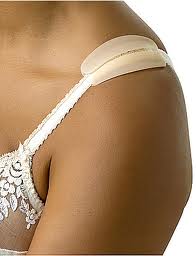 restrict; you should use a comfortable bra with wide and padded shoulder straps
 - Do not wear tight jewelry and avoid elastic bands around your wrist
- Wear your compression sleeve all day, and if necessary apply your bandages at night. Use rubber gloves when you put on your compression sleeve. See your therapist at least every six months (or sooner) to check the condition of the garment
- Discuss with your doctor and/or therapist, what kind of external breast prosthesis is appropriate in your case (heavier silicone or lighter foam)
Avoid any Injuries to the Skin
- Shaving: use an electric razor to remove hair from your armpit or
 chest; do not use razor blades
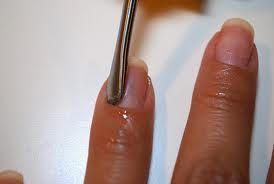
 - Nail care: you should keep your fingernails cut short; avoid the use of scissors for cutting your fingernails; do not cut the cuticles. Avoid artificial nails
- Should you smoke, do not extinguish the cigarette with your affected hand
- Wear gloves when gardening and playing with your pets (scratches)
- Mosquito bites: wear insect repellants, avoid mosquito infested areas
- Injections and blood draws: blood draws and injections on the non-affected limb whenever possible. In patients with breast cancer on both sides, these procedures should be performed on the leg or the foot. If this is not possible, the procedure should be done on the non-dominant arm. If one side had no lymph node removal, the arm on that side should be used, regardless of whether it is the dominant arm. In an emergency, however (such as a car accident), or if a medically necessary procedure (such as a CT or MRI) needs to be performed, and an intravenous line must be started, medical professionals must be allowed to do what they need to do to start the intravenous line as soon as possible, even if it would involve the affected extremity.If a port is present, blood draws should be taken directly from there. In patients with “bad” veins, good hydration and some form of heat (heat pads, warm water) help to dilate the veins prior to cannulation.
- Avoid blood pressure to be taken on the affected arm or the arm at
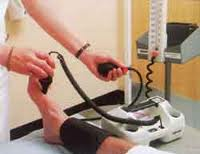 risk. Have the clinician use the other arm, or if both arms are affected, an oversize pressure cuff may be used on the thigh or calf to measure the blood pressure. If you can’t avoid the blood pressure to be taken on the arm, make sure that the cuff is inflated only 10mm/Hg above the systolic pressure (this is the point at which the pulse stops) and that only manual equipment is used – automated equipment inflates generally to a very high pressure, which is held for a prolonged period
 - To take care of minor injuries, always carry an alcohol swab, topical antibiotic and a band aid with you
- No piercing or tattoos on the arm, back or chest
Avoid Heat
- Avoid hot showers
- Avoid hot packs and/or ice packs on your arm, back and chest
- Avoid saunas, hot tubs and whirlpools. Do not sit too close to a fire place
- Avoid traditional massage on the arm, chest and upper back area. Note: Manual lymph drainage is not considered to be a form of massage
- Avoid sunburn – while in the sun, use sunscreen, cover the arm with appropriate clothing or a dry towel
- Discuss proper exercises and activities with your therapist
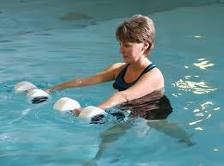
- Avoid movements that overstrain. Should you experience discomfort in your arm, reduce the exercise activity and elevate your arm
- Avoid heavy lifting
- Obesity may have a negative effect on your swelling; maintain your ideal body weight
- There is no special diet for lymphedema. Keep your diet well balanced. Most nutritionists recommend a low-salt and low-fat diet, high in fiber
- Eating too little protein in the hope to have a positive effect on lymphedema (high-protein edema) is not recommended and may cause serious health problems. Reducing the protein intake will not reduce the protein component in lymphedema
- Avoid mosquito-infested regions
- Wear an additional bandage on top of your compression sleeve when traveling by car, train or air. Incorporate frequent stops, or get up from your seat frequently, elevate your arm(s) as often as possible
See your doctor if you:
- Have any signs of an infection, such as fever, chills, red and hot skin
- Notice any itching, rash, fungal infections, or any other unusual changes on the skin
- Experience pain, or an increase in swelling in your fingers, hand, arm or chest
Dear Lymphedema Blog Reader – if you like the contents on this website, please help to keep it going. A great amount of work and research is necessary to provide you with up-to-date information on this site. Your donation supports these efforts and associated administrative costs. Surplus funds will be donated to Lymphedema/Lipedema-related charitable endeavors. Please donate using the “Donate Now” button on the right upper hand of this page – Thank You!
Join Lymphedema Guru, a Facebook page solely dedicated to inform about all things related to lymphedema – news, support groups, treatment centers, and much more